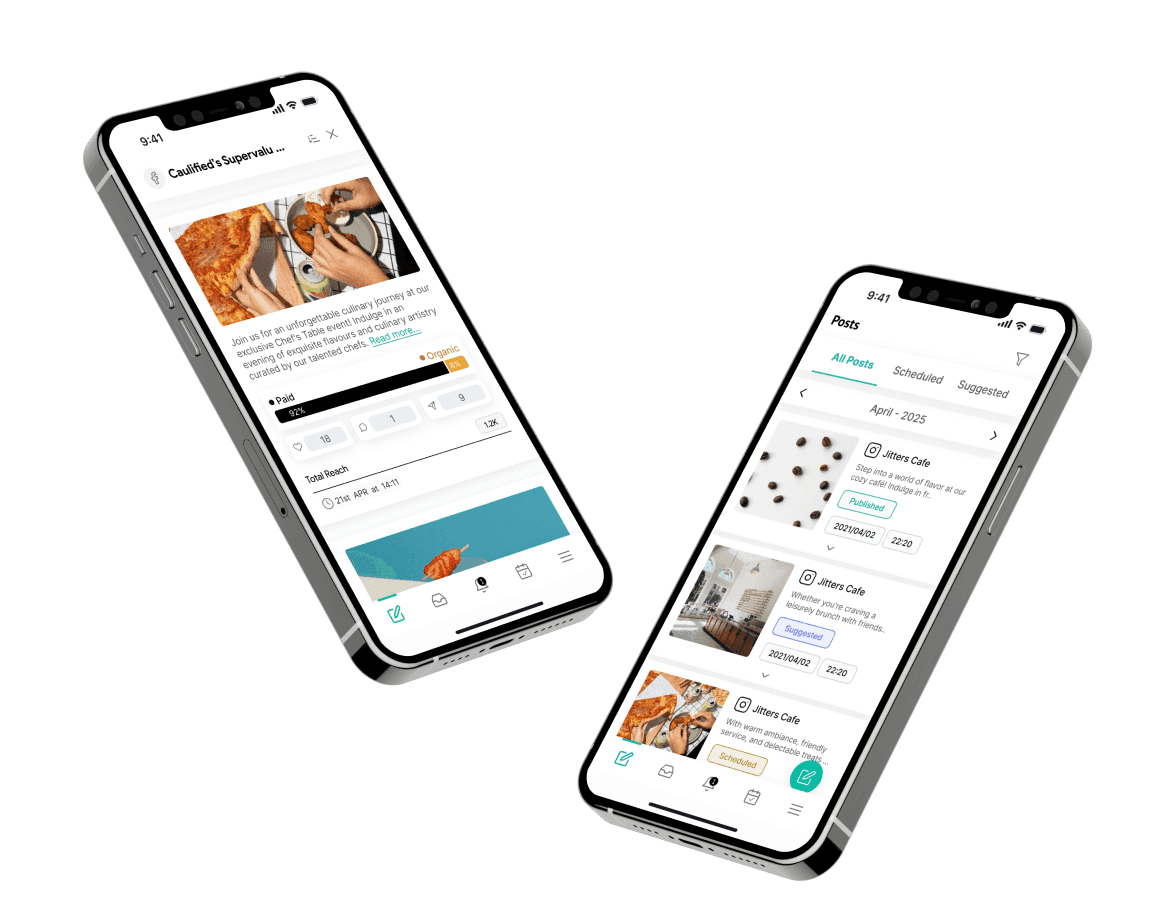
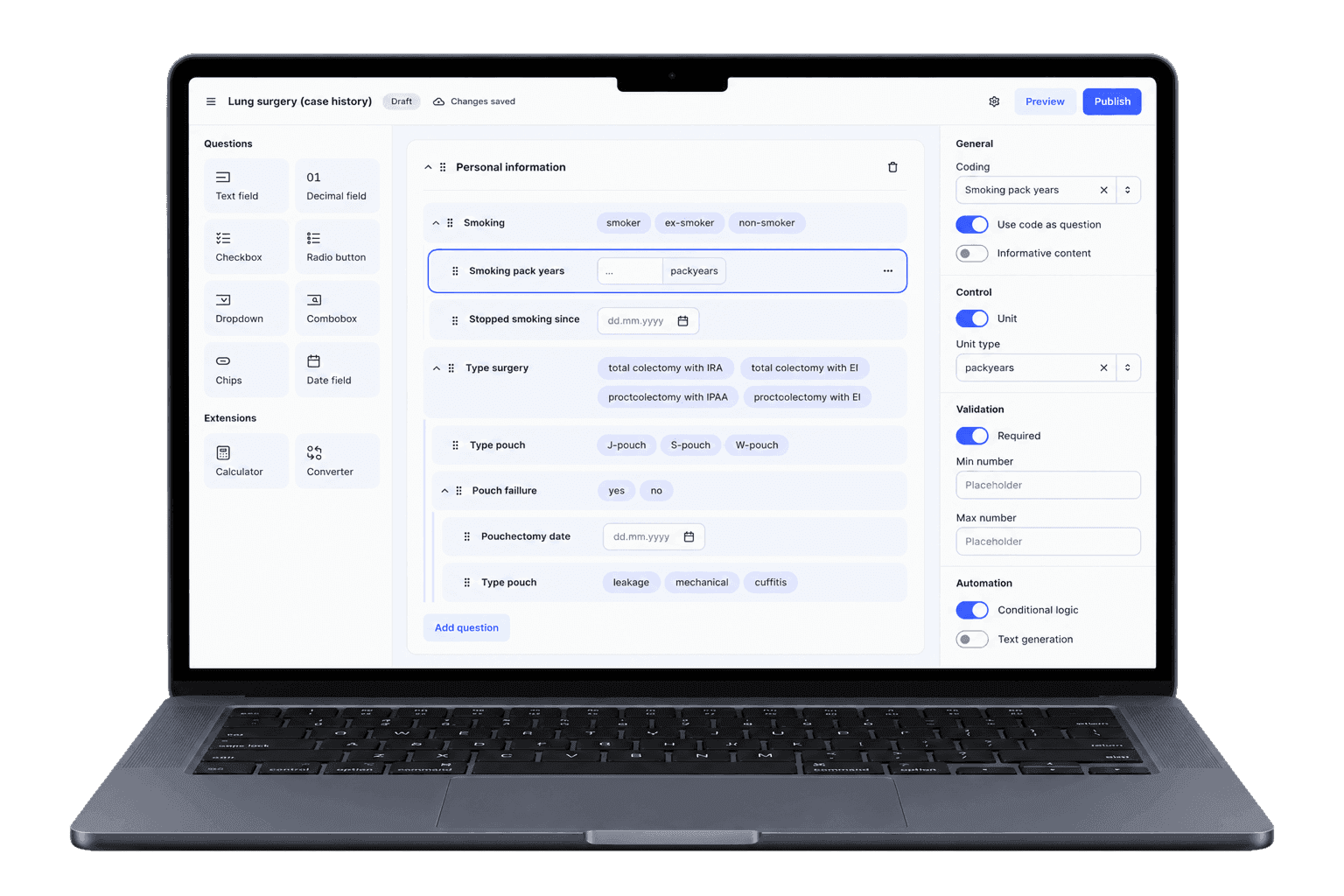
Reusable components, clear guidelines, and workflows that save time and reduce costs.

Design system components helped teams build features with less rework and better consistency.

Shared patterns and guidelines reduced UI variation and made the product feel more cohesive.

Unified components simplified updates and reduced long-term development overhead.

Scalable design architecture enabled teams to iterate and ship improvements with greater efficiency.
We create structured design systems that connect product design, development, and scalability.







We help teams turn fragmented interfaces, slow workflows, and inconsistent design into scalable systems that boost efficiency, adoption, and product growth.
Pain: Different screens behave differently, creating confusion for users and extra work for teams.
Solution: We introduce a unified design system with consistent components and interaction rules.
Outcome: Users experience predictable interfaces, and teams ship features faster with fewer inconsistencies.
Pain: Teams repeatedly rebuild similar components instead of reusing existing ones.
Solution: We create a reusable component library connected to a structured design system.
Outcome: Design and development cycles become faster and more efficient with reduced redundant work.
Pain: Products become harder to maintain as UI inconsistencies accumulate over time.
Solution: We standardize UI patterns and consolidate design decisions into a single system.
Outcome: The product becomes easier to scale and maintain without increasing complexity.
Pain: Designers and developers interpret UI differently due to missing shared rules.
Solution: We define clear system documentation and usage guidelines for both teams.
Outcome: Collaboration improves and implementation becomes more accurate and consistent.
We build design systems as scalable infrastructure, not just UI kits.
01 Understand product structure
We analyze your product, UI complexity, and team workflow to define system needs.
02 Define system architecture
We structure tokens, components, and patterns into a unified system.
03 Build scalable components
We design reusable UI elements that work across multiple use cases.
04 Document and standardize usage
We create clear rules so teams can apply the system consistently.
05 Support system evolution
We ensure the system can grow without breaking consistency or logic.
Design systems are not about visual consistency. They are about scaling product teams without losing speed, quality, or structure. Without a system, products become harder to maintain, harder to scale, and more expensive to evolve. Below, we highlight the key advantages your team can gain from implementing a robust design system.


We build systems before screens focusing on structure, not visuals.
We specialize in SaaS, enterprise, and healthcare systems where consistency directly impacts performance.
We ensure the system works for both designers and engineers from the start.
We design systems that grow with your product instead of breaking over time.
Design systems and UI/UX designs that boost user satisfaction and business growth Our portfolio demonstrates how we build design systems and digital solutions across industries. From healthcare platforms to enterprise software, our design services deliver component libraries, consistent UI elements, and unified design languages that improve usability, speed up development, and improve user engagement.
Design systems are essential for teams building scalable digital products where consistency and structure directly impact product performance.
Teams growing complex products that need consistent UI and scalable architecture across features and modules.
Organizations where different teams build features simultaneously and need shared UI rules to stay aligned.
Products where screens, components, or interactions behave differently, creating confusion and extra maintenance effort.
Teams that lose time rebuilding similar UI instead of reusing structured components and system logic.
Companies that need to restructure existing interfaces into a unified, scalable design system.
Teams aiming to eliminate inconsistencies and long-term inefficiencies that slow down product evolution.

Sviat has a medical degree and has studied accessibility and rehabilitation science. He has worked on 20+ projects, focusing on improving UX design and accessibility. Sviatoslav is a lecturer at top Ukrainian universities, collaborates with governmental organizations, and hosts the UX time podcast.