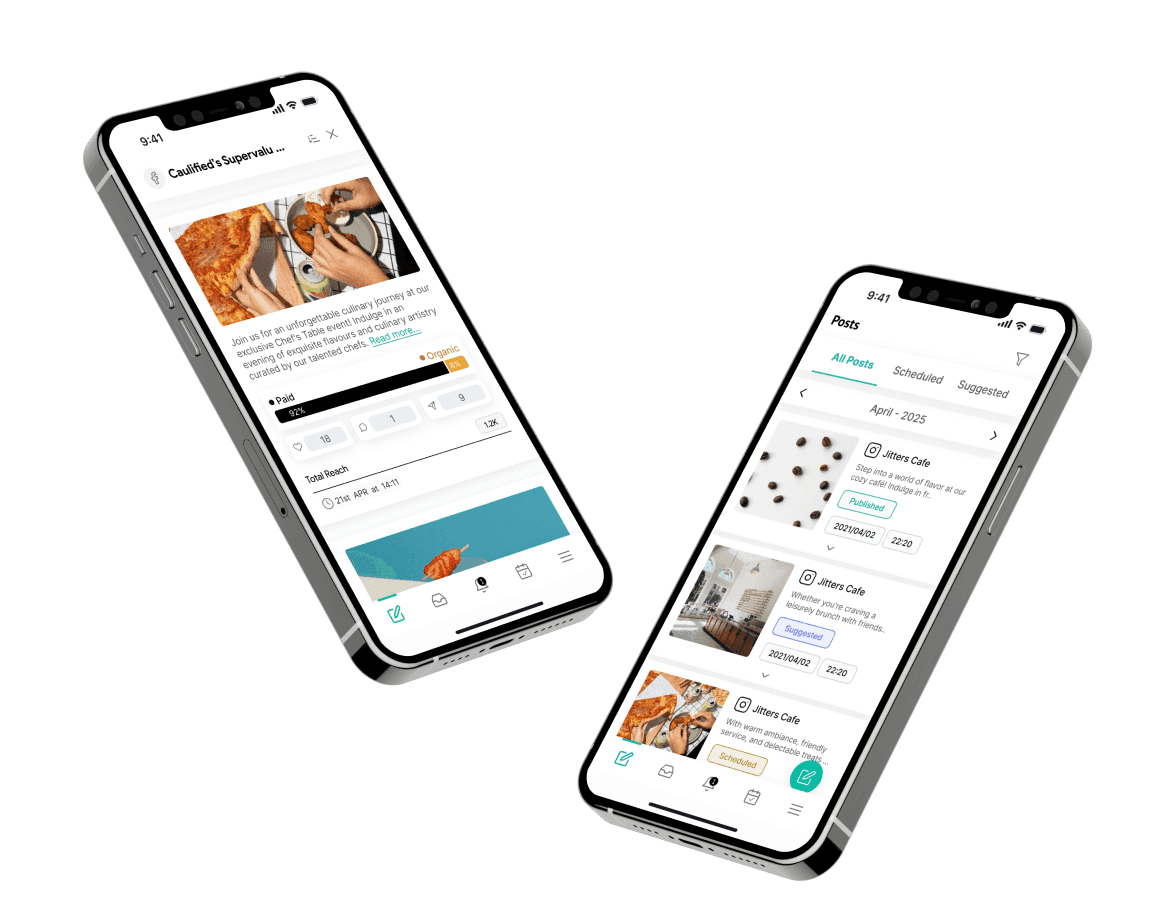
Most UX problems are not visual. They are structural. We help teams uncover what is slowing users down and what is blocking product success.

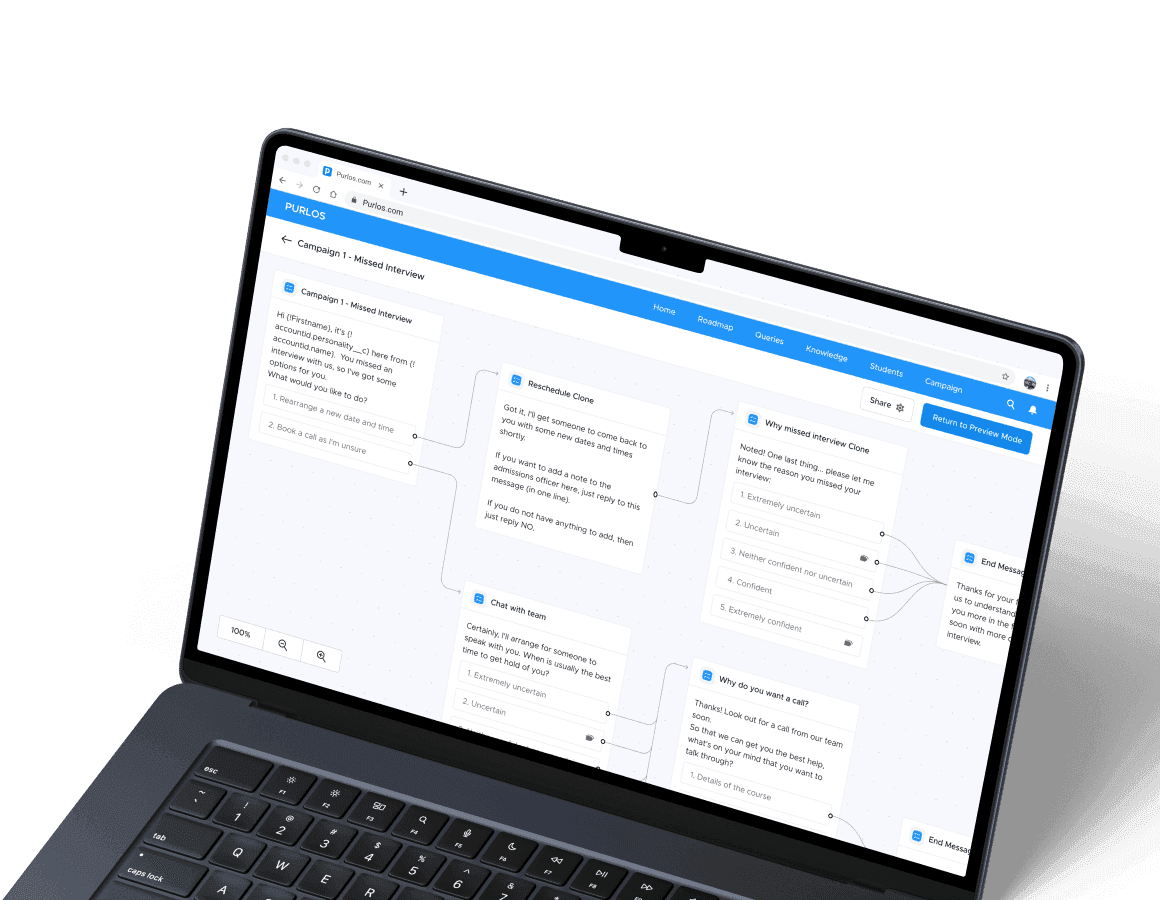
Simplified builder and workflows helped teams launch initiatives faster.

Reusable UI components and optimized design patterns improved collaboration and reduced rework in feature development.

Clear navigation and optimized user flows increased product utilization and improved overall user engagement.

Redesigned information architecture and streamlined menus reduced clicks and improved findability.
When users struggle, your product does too. A UX audit helps you see your website or app from the user’s perspective, identifying UX issues, design flaws, and blockers that prevent people from engaging, converting, or coming back. We evaluate how users interact with your product at every level:









Most products struggle with the same structural UX issues that directly impact usability, adoption, and business performance.
Pain: Users are forced to complete long, fragmented workflows that slow down task execution and increase frustration.
Solution: We identify workflow inefficiencies and restructure task flows around real user behavior and priorities.
Outcome: Faster task completion, reduced friction, and improved operational efficiency.
Pain: Users struggle to understand where information lives and how different parts of the system are connected.
Solution: We analyze and simplify information architecture to create clearer navigation logic across the product.
Outcome: Faster access to key features and reduced cognitive load.
Pain: Different user groups experience fragmented interfaces and workflows depending on their role.
Solution: We identify inconsistencies and evaluate how role-based experiences can be unified and clarified.
Outcome: More predictable UX across roles and improved cross-team usability.
Pain: New users fail to understand the product or reach value quickly, leading to drop-offs.
Solution: We evaluate onboarding journeys and identify where users lose clarity or motivation.
Outcome: Higher activation rates and improved early user retention.
Our UX audit process is structured, focused, and designed to give you actionable insights without the guesswork. Here’s how we uncover what’s not working in your user interface and guide you toward a better user experience.
01 Product understanding
We analyze your product, users, and business goals to understand context.
02 UX evaluation
We review interfaces, workflows, and user journeys across the system.
03 Issue identification
We detect usability, structure, and workflow problems impacting performance.
04 Impact prioritization
We rank issues by severity: critical, high, medium, low.
05 Actionable recommendations
We deliver clear, structured improvements your team can implement immediately.


We don’t evaluate screens in isolation. We analyze how workflows, structure, and information architecture interact across the whole product.
Instead of applying generic UX heuristics, we identify issues based on how users actually interact with your product in real environments.
We go deeper than usability issues. We uncover broken workflows, unclear logic, and system-level inefficiencies that impact product performance.
Every finding is prioritized based on its impact on adoption, efficiency, and product scalability, not subjective UX severity.
UX audits that improve usability, increase engagement and drive real business outcomes From complex SaaS platforms to mobile-first tools, our UX audits reveal the issues that frustrate users and give teams the clarity to fix them. Here’s how expert evaluation creates real impact:
UX audits are essential when product complexity starts impacting usability, adoption, and business efficiency. For example:
Teams working with large systems that have multiple workflows, roles, and dependencies.
Products where users don’t fully adopt key features or drop off during usage.
Teams adding functionality that increases complexity and requires better UX structure.
Companies that need to fix structural UX issues before or during a redesign process.
High-complexity industries where UX directly impacts efficiency, safety, or decisions.
Teams that want to optimize UX and workflows without rebuilding the entire product.

Sviat has a medical degree and has studied accessibility and rehabilitation science. He has worked on 20+ projects, focusing on improving UX design and accessibility. Sviatoslav is a lecturer at top Ukrainian universities, collaborates with governmental organizations, and hosts the UX time podcast.