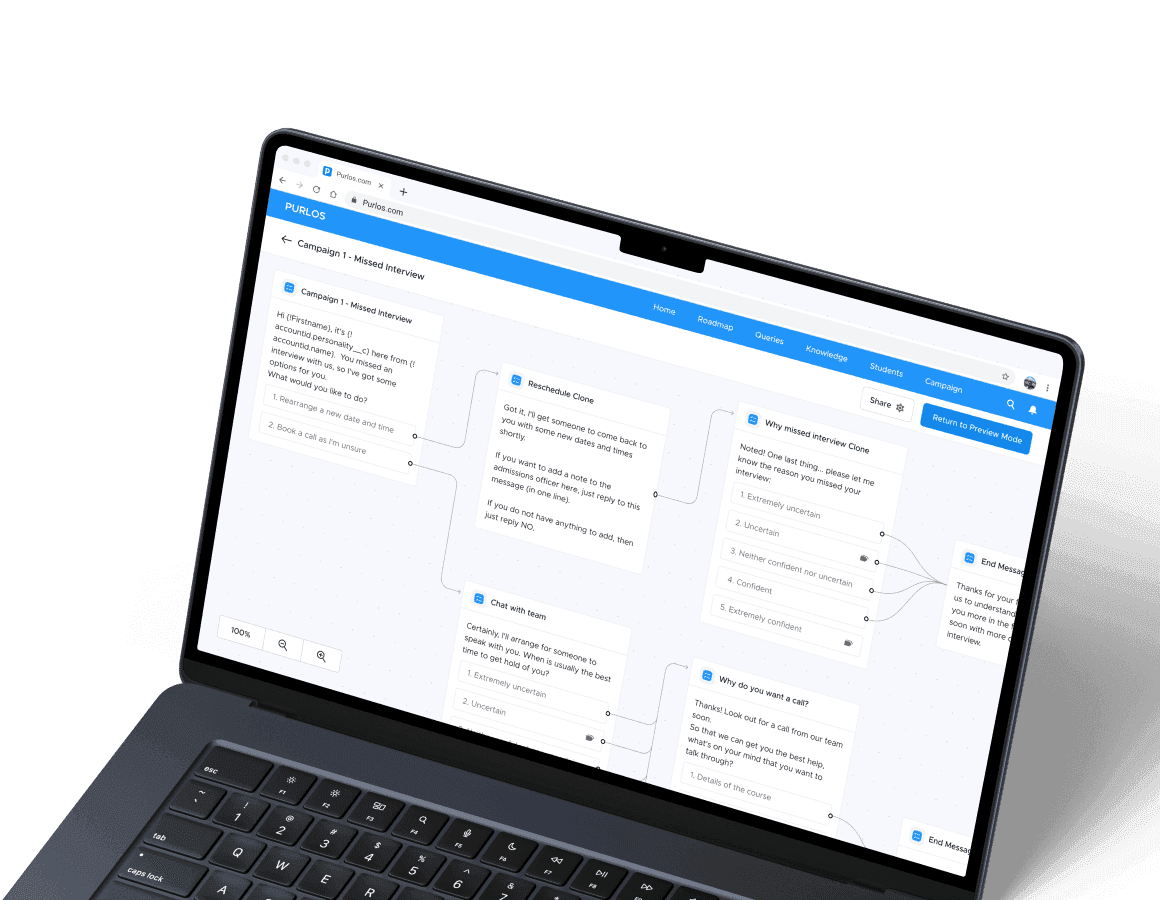
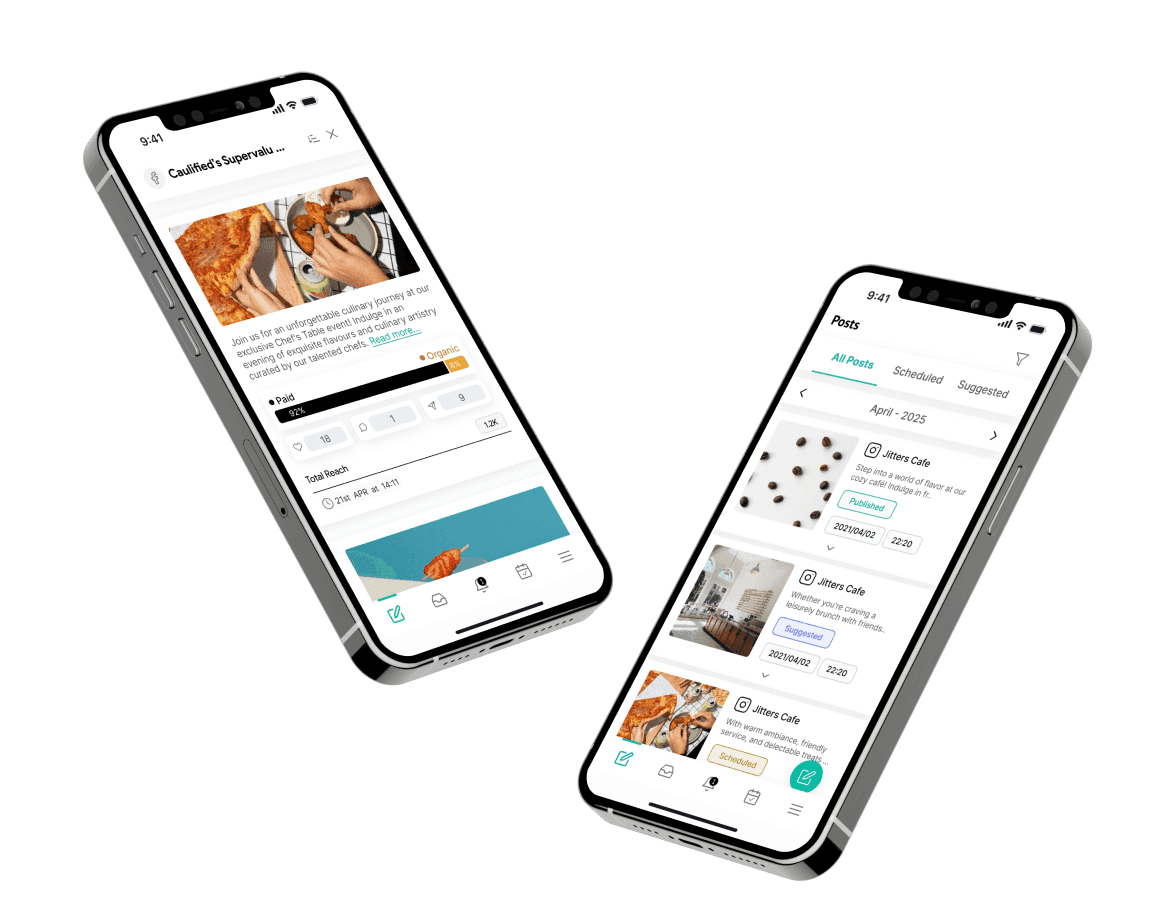
AI products are not traditional digital products. They are unpredictable, probabilistic, and constantly evolving. UX here is not about screens. It’s about how humans understand, trust, and interact with AI systems.

Reusable UI components and optimized design patterns improved collaboration and reduced rework in feature development.

Clear navigation and optimized user flows increased product utilization and improved overall user engagement.

Intuitive UI and consistent patterns reduced training time.

Redesigned information architecture and streamlined menus reduced clicks and improved findability.
We design interaction systems that help users understand, control, and trust AI outputs. We don’t design traditional UX flows here. We design interaction systems for AI behavior. Traditional UX optimizes interfaces. AI UX defines how humans interpret intelligence.








We help teams turn complex AI products into user-centered experiences that drive real results.
Pain: AI responses feel unclear or unpredictable.
Solution: We design transparency layers and confidence indicators.
Outcome: Increased trust and adoption of AI features.
Pain: Users don’t understand how to properly interact with the system.
Solution: We design clear prompt structures and interaction patterns.
Outcome: More effective and accurate AI usage.
Pain: Users avoid AI features because they feel confusing or unreliable.
Solution: We simplify onboarding and clarify value from the first interaction.
Outcome: Higher activation and engagement.
Pain: Users receive results but don’t understand how to interpret them.
Solution: We design structured output presentation with context and hierarchy.
Outcome: Better decision-making from AI results.
We design AI UX based on real human behavior, not model capabilities.
01 Understand AI behavior
We analyze how your AI system generates, modifies, and delivers outputs.
02 Identify interaction gaps
We detect where users misunderstand, misuse, or avoid AI features.
03 Design human–AI flows
We structure interactions where AI supports decision-making instead of replacing it.
04 Design for uncertainty
We introduce UI patterns that communicate confidence, limitations, and variability.
05 Validate with real usage
We test how users actually interact with AI, not how they are expected to.
AI systems introduce uncertainty, variability, and context-driven behavior that fundamentally changes how user experience should be designed.


We design for how users think, not how models generate output.
We specialize in UX for probabilistic systems where outcomes are not fixed.
We optimize AI UX for clarity, confidence, and real usage, not just capability.
We work with SaaS, healthcare, and enterprise AI products where UX directly affects adoption.
See how our UI/UX design for AI products delivers measurable impact and drives real business outcomes.
This service is for teams building AI-powered products where UX directly impacts trust and adoption.
SaaS products integrating AI into workflows that need clearer interaction and higher feature adoption.
AI tools that produce variable outputs and require UX that helps users understand and refine results.
Complex internal AI systems where usability, control, and clarity affect daily decision-making.
High-stakes AI environments where trust, explainability, and error prevention are critical.
AI-driven financial tools that require transparent outputs and strong user confidence.
Early-stage products where UX determines whether users understand and adopt AI capabilities.

Sviat has a medical degree and has studied accessibility and rehabilitation science. He has worked on 20+ projects, focusing on improving UX design and accessibility. Sviatoslav is a lecturer at top Ukrainian universities, collaborates with governmental organizations, and hosts the UX time podcast.